Peripheral Neuropathy Symptoms: What Phoenix Adults Should Track
Oct 28, 2026
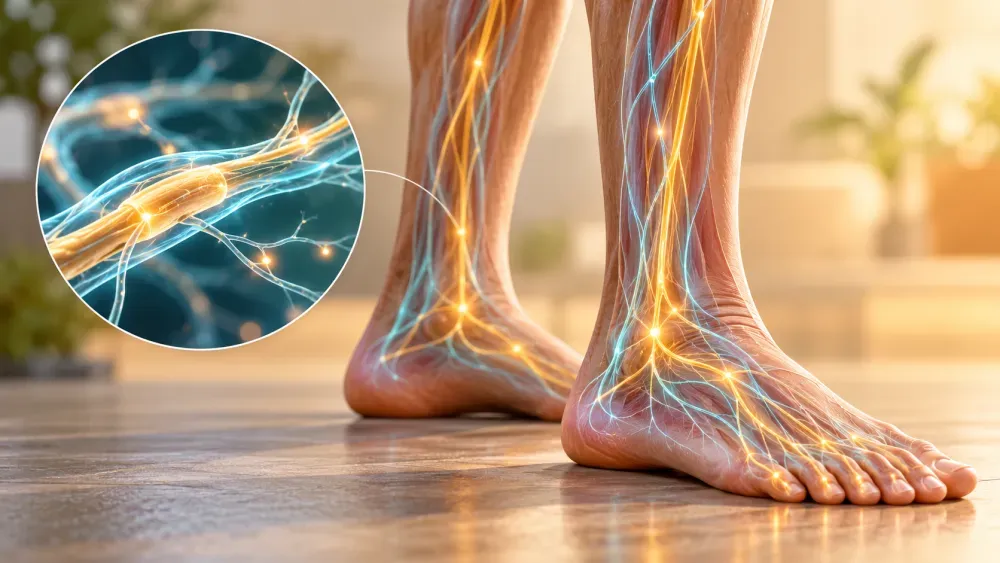
Burning, tingling, numbness, electric-shock sensations, or unusual sensitivity in the feet and hands can be frustrating to live with and difficult to describe during a short appointment. A symptom log gives a Phoenix neurology team a clearer picture of what you are experiencing, how symptoms affect daily life, and whether anything is changing. It can also help you prepare for a conversation about peripheral neuropathy and possible next steps.
Peripheral neuropathy is a broad term for problems involving nerves outside the brain and spinal cord. Symptoms can have many causes, and a sensation in the feet or hands is not enough to diagnose neuropathy on its own. This article is educational. It cannot tell you what is causing your symptoms or which treatment is right for you. Use it to organize observations, not to self-diagnose or change medication.
Write down the words that fit the sensation best. Is it numbness, pins and needles, burning, sharp pain, aching, itching, coldness, an electric feeling, or pain from a light touch? Is it constant or intermittent? Does it begin in the toes, soles, heels, fingers, or another area? A symptom does not need to be dramatic to be worth recording. Small changes in sensation can be important when they persist, spread, or affect safety.
Be specific about the pattern. Some people notice symptoms on both sides in a similar distribution. Others notice them in one hand, one foot, or a particular part of a limb. Describe where the symptom begins, where it travels, and whether it crosses a joint or stays in one spot. If you are unsure, draw a simple outline of a foot or hand and mark the area. A visual note can be easier to review than a long explanation.
Note the time of day. Symptoms that become more noticeable at night may disturb sleep, while numbness in the morning may affect balance when first getting out of bed. Track whether heat, cold, walking, sitting, standing, footwear, activity, rest, or a bedsheet touching the skin seems related. Write the observation without deciding that it is the cause. A useful note says, “burning in both feet was worse after lying down,” rather than, “lying down caused nerve damage.”
Daily impact can be just as useful as intensity. Record missed sleep, reduced walking distance, trouble standing in a shower, difficulty climbing stairs, dropped objects, problems with shoe comfort, or concern about stepping on something sharp without feeling it. If you fall or nearly fall, include what happened before the fall and whether there was dizziness, weakness, tripping, or loss of feeling. This information helps a clinician understand the practical consequences of the symptoms.
Loss of feeling can make it easier to miss a cut, hot surface, pressure spot, or ill-fitting shoe. Check your feet and the spaces between toes regularly if sensation is reduced, especially if you have diabetes or another condition that affects circulation or healing. Use good lighting or ask a trusted person for help if you cannot see the bottom of your feet comfortably. Do not use very hot water or heating pads on an area that cannot reliably sense temperature.
Foot care is not a replacement for medical evaluation. It is a safety habit while you are sorting out symptoms. If you notice a wound, swelling, redness, drainage, color change, or a new area of pain, contact the appropriate clinician promptly. Ask your own care team which symptoms need same-day attention based on your health history.
Peripheral nerve symptoms may involve more than pain or numbness. Record new weakness, cramps, twitching, difficulty lifting the front of a foot, trouble rising from a chair, a change in grip, or problems with coordination. Write down whether symptoms are gradual, sudden, or rapidly progressing. These details can help determine how quickly you should be evaluated.
Some people also notice changes such as lightheadedness when standing, sweating changes, heat intolerance, bowel or bladder changes, or digestive symptoms. These symptoms can have many causes and should not be assumed to be neuropathy. Still, write them down and tell the clinical team, particularly if they are new, severe, or affecting safety. A complete picture helps the clinician ask better follow-up questions.
Bring every prescription medicine, over-the-counter product, vitamin, supplement, and topical treatment you use. Include the name, dose if known, start date, and any change you noticed after beginning it. Do not stop a medicine because you think it may be related to a symptom. A prescriber or pharmacist should review changes with you, especially if a medicine treats a serious condition.
Also note diagnoses or experiences that may matter to the discussion, such as diabetes, thyroid disease, kidney disease, autoimmune disease, infection, surgery, injury, cancer treatment, alcohol use, dietary changes, family history, or recent illness. This list does not establish a cause. It simply makes your appointment more efficient and reduces the chance that important context is missed.
A neurology visit begins with your story. The clinician may ask about the pattern, timing, medical history, medicines, occupation, injury, and family history. The examination may include strength, reflexes, sensation, balance, walking, coordination, and parts of the nervous system that relate to your concerns. Depending on the findings, the clinician may recommend laboratory work, imaging, referral, or other testing.
Center for Neurology and Spine provides EMG and nerve conduction studies, often called EMG/NCS, when clinically appropriate. These tests can help evaluate certain nerve and muscle questions, but they are not automatically needed for every numb or painful symptom. Ask what a proposed test is intended to clarify, how to prepare, and how the result may affect the plan. A test should answer a meaningful clinical question.
Before the appointment, write down what you most need help with. Your priority may be sleeping through the night, avoiding falls, returning to work tasks, caring for your feet, understanding a test, or knowing whether a new symptom needs faster evaluation. Share that priority directly. Neurology care is more practical when the team understands what the symptom is changing in your real life.
Call 911 for sudden one-sided weakness or numbness, face droop, trouble speaking, new confusion, sudden severe headache, major vision loss, chest pain, severe shortness of breath, or another symptom that could be an emergency. Those symptoms should not be attributed to “neuropathy” without urgent evaluation. A new symptom can be caused by many conditions, including conditions that need immediate care.
Contact a clinician promptly for rapidly worsening weakness, new trouble walking, a fall with injury, a new open wound you cannot feel, or concerning color, swelling, redness, drainage, or fever. The right destination depends on the symptom, your medical history, and severity. If you are unsure whether an issue is urgent, choose the safer setting and ask for guidance.
Burning feet can occur with peripheral neuropathy, but it can also have other explanations. A nighttime pattern is a useful observation to record, especially when it affects sleep, but it cannot diagnose the cause. A clinician can consider the full pattern, history, examination, and testing when needed.
A zero-to-ten scale can be useful if it helps you compare days, but it is not the only important information. Also track function: whether you slept, walked, wore shoes comfortably, worked, used your hands, or needed help. A lower number can still be significant if it is paired with weakness, falls, or loss of sensation.
No single test answers every question. EMG/NCS can be valuable for certain nerve and muscle evaluations, while other symptoms may need a different approach. Ask the neurologist what information a test may provide and what its limitations are for your particular concern.
Be cautious with heat when an area has reduced sensation because it may be harder to recognize a burn. Ask your clinician what comfort measures are safe for you. Do not place a heating pad on skin that cannot reliably feel temperature, and do not fall asleep with one in use.
Bring your symptom log, medication list, medical history, list of questions, insurance information, preferred pharmacy, and records from relevant urgent-care or emergency visits if available. Wear clothing that allows the clinician to examine the affected area comfortably when possible.
Choose a review day each week. Read the entries and write a short summary: where symptoms occurred, how many days they appeared, whether sleep or function changed, and whether anything new developed. Do not feel pressure to chart every minute. Consistency matters more than perfection. A one-page monthly summary plus detailed notes for the worst or most unusual days can be enough.
Include days that felt better. Improvement, stability, and symptom-free periods are useful information, too. If the log becomes overwhelming, reduce it to a few essentials: location, sensation, duration, function, and new warning signs. Bring it to each visit and update the plan with the team.
Center for Neurology and Spine provides adult neuropathy evaluation and EMG/NCS services in Phoenix. If tingling, numbness, burning pain, weakness, or balance changes are affecting your life, bring a symptom log and your questions to a neurology visit. To request an appointment, call 623-257-6038 or visit www.cnsofaz.com.
This article is educational and not a diagnosis, treatment recommendation, or substitute for personal medical advice. A clinician who knows your history can explain what your symptoms may mean and which next steps are appropriate. Call 911 for emergency warning signs.
Use one line for each day. For example: “Tuesday: tingling in both soles after dinner, 30 minutes, woke twice, no fall, wore usual shoes.” That style captures timing, location, duration, effect on sleep, and practical context without making the log feel like a project. If you have a symptom-free day, write that too. Over several weeks, the pattern may become easier for you and the clinical team to see.
Take the log to other relevant appointments as well. Your primary care clinician, pharmacist, diabetes care team, podiatrist, or other specialist may need to know about symptoms, particularly if a medicine, wound, circulation concern, or chronic health condition is part of the picture. Keep each clinician informed about the care you receive elsewhere so they can coordinate appropriately.
If numbness or balance changes make you feel unsteady, choose well-lit paths, clear clutter and loose rugs, use handrails on stairs, and wear shoes that fit securely. Do not force yourself to walk through new weakness, severe pain, or a fall risk. Ask the clinical team for individualized guidance about work tasks, exercise, or an assistive device. The right plan depends on your symptoms and overall health.
Keep notes about any change that makes a usual activity less safe. Examples include tripping on the same foot, being unable to feel a brake pedal normally, struggling to hold a mug, or avoiding a shower because balance feels unreliable. These concrete examples are often more useful to a clinician than a general statement that symptoms are “getting worse.”
Bring the log to follow-up visits and note changes since the last plan. Accurate observations help the conversation stay focused on your safety, function, and questions.
Keep good notes.