POTS and Dysautonomia Symptoms in Phoenix: What to Track Before a Neurology Visit
Oct 29, 2026
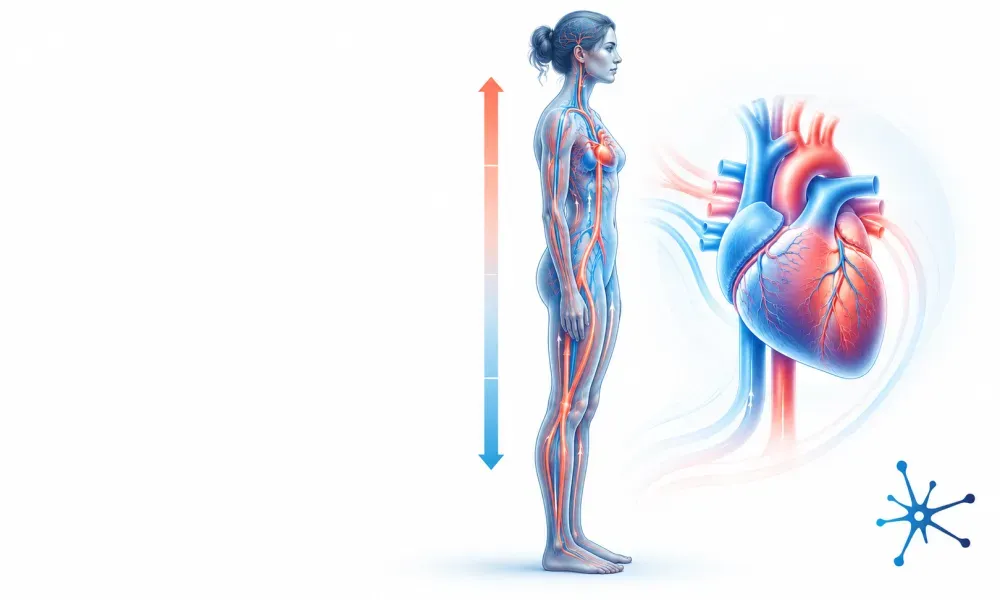
Feeling lightheaded, shaky, unusually tired, or aware of a racing heartbeat after standing can be disruptive and frightening. Some people have symptoms only occasionally; others begin planning their day around where they can sit, lie down, or find water. Postural orthostatic tachycardia syndrome, commonly called POTS, is one condition that can involve symptoms related to being upright. Dysautonomia is a broader term for conditions involving the autonomic nervous system, which helps regulate functions such as heart rate, blood pressure, temperature, sweating, and digestion.
These symptoms have many possible causes, and POTS cannot be diagnosed from a single home measurement, a social media post, or a symptom checklist. A thoughtful evaluation matters because anemia, dehydration, medication effects, thyroid conditions, heart conditions, infections, sleep problems, anxiety, and other medical issues can overlap with or contribute to similar symptoms. This guide explains what to track before a neurology visit, what an evaluation may include, and when symptoms require urgent care.
People describe symptoms in different ways. Lightheadedness after standing is common, but not everyone calls it dizziness. Some notice a rapid or pounding heartbeat, shakiness, weakness, nausea, brain fog, headache, heat intolerance, sweating changes, fatigue, shortness of breath with upright activity, or near-fainting. Symptoms can worsen with prolonged standing, hot showers, warm weather, missed meals, dehydration, illness, or exertion. Symptoms may also fluctuate from one day to another.
It is important to separate a pattern from a conclusion. Feeling dizzy once after standing quickly is common and does not by itself establish a chronic condition. A clinician looks at the timing, duration, heart-rate and blood-pressure information when available, medical history, medications, examination, and testing. The goal is to understand what is happening and to rule out other causes that need different care.
Use plain language. “My heart pounds and I need to sit after five minutes in line” is often more helpful than trying to interpret a device reading without context.
The autonomic nervous system helps the body make rapid adjustments that happen mostly without conscious control. When you stand, blood shifts toward the lower body. The nervous system, heart, and blood vessels normally respond to maintain blood flow to the brain and support blood pressure. If those adjustments are not working as expected, symptoms can occur when upright.
Autonomic symptoms can involve more than heart rate. Some people report digestive changes, temperature sensitivity, abnormal sweating, bladder symptoms, visual changes, or fatigue. These symptoms can have many explanations, which is why the evaluation should be broad enough to match the individual concern. A neurologist may collaborate with primary care, cardiology, physical therapy, or other specialists when appropriate.
The first part is a detailed history. Your clinician may ask when symptoms began, whether there was a recent infection, injury, surgery, pregnancy, major stressor, or medication change, and whether family members have similar concerns. They may ask about headaches, neuropathy symptoms, joint flexibility, sleep, mood, gastrointestinal symptoms, fainting, chest discomfort, shortness of breath, and exercise tolerance. These questions help identify patterns and possible alternatives.
The examination may include heart rate and blood pressure measurements in different positions, a neurological examination, and review of medications. Depending on the situation, the plan could include laboratory testing, heart evaluation, autonomic testing, a tilt-table study, or other testing. Center for Neurology and Spine offers dysautonomia and POTS testing for adults in Phoenix. The exact testing pathway should be based on your symptoms and medical history.
Bring prior records if you have them, including emergency visits for fainting, heart testing, laboratory results, and a list of previous diagnoses. Do not assume that a prior normal test means your current symptoms are unimportant. It gives the care team information about what has already been evaluated and what questions remain.
Ask the office whether there are instructions for eating, drinking, caffeine, medication, or compression garments before any scheduled testing. Follow those instructions rather than changing routines based on internet advice. Do not stop prescribed medications on your own. Some medicines affect heart rate, blood pressure, or hydration, and any changes should be coordinated with the clinician who prescribes them.
Bring a short timeline and a medication list. If you use a smartwatch or home device, bring only a concise record that shows patterns, such as a few days of position-related measurements and symptoms. A large collection of isolated numbers can be hard to interpret. Note the device used, whether you were seated or standing, and whether you had recently eaten, exercised, or been in the heat.
Online advice about POTS often focuses on fluids, salt, compression, and exercise. These approaches may be appropriate for some people but not for everyone, especially people with high blood pressure, heart disease, kidney disease, certain medications, or another diagnosis. Ask your care team what is safe for you before making major changes to salt intake, fluid intake, supplements, or exercise.
Practical pacing can still be useful while you wait for guidance. Plan seated breaks, rise slowly, avoid very hot environments when possible, and keep water available. If standing in place triggers symptoms, a stool or short breaks may reduce strain. Use caution with hot showers, alcohol, and skipped meals if you notice they worsen symptoms. These are observations to bring to your clinician, not substitutes for an evaluation.
If exercise is part of your plan, start with the recommendation you have been given and adjust based on symptoms and safety. Recumbent or seated activity may be easier for some people, but individual advice matters. Stop activity and seek guidance for chest pain, fainting, severe shortness of breath, new neurological symptoms, or symptoms that feel different from your usual pattern.
Call 911 or seek emergency care for fainting with injury, chest pain, severe shortness of breath, a sustained very fast or irregular heartbeat with concerning symptoms, sudden one-sided weakness or numbness, facial drooping, trouble speaking, confusion, new severe headache, or loss of consciousness. These symptoms can have causes that require urgent evaluation and should not be attributed to POTS without medical assessment.
Contact a clinician promptly for worsening near-fainting, repeated falls, new swelling, severe vomiting or inability to keep fluids down, black or bloody stools, rapidly worsening weakness, or symptoms that are making it unsafe to work, drive, shower, or manage basic needs. Tell the office what is new, how quickly it developed, and what you have tried.
No. A wearable device may help you notice a pattern, but it cannot make a diagnosis. Heart rate can change for many reasons, including heat, stress, caffeine, illness, medication, dehydration, and normal activity. A clinician must interpret symptoms and measurements in context.
POTS involves the body’s response to being upright and can affect multiple systems. Because symptoms overlap with heart, endocrine, blood, gastrointestinal, and neurological conditions, evaluation may involve more than one type of clinician or test.
Those changes help some people but are not universally safe or sufficient. Discuss any significant change in fluids, salt, supplements, or compression with your care team, especially if you have another medical condition or take regular medication.
Sleep, heat, hydration, illness, activity, stress, meals, medication, and hormonal changes can influence symptoms. Tracking a few consistent details helps reveal patterns without expecting every day to look the same.
Center for Neurology and Spine provides adult neurology care in Phoenix, including dysautonomia and POTS testing. If upright symptoms, rapid heartbeat sensations, dizziness, fatigue, or fainting concerns are disrupting your life, call 623-257-6038 or use online booking to request an evaluation. This article is general education and does not replace medical advice from a clinician who knows your history.
A symptom log should help, not become another source of stress. Choose a short time frame, such as two weeks, and record the same small set of details each day: sleep, fluids, meals, position-related symptoms, activity, medication, and anything unusual. Use a 0-to-10 scale only if it is meaningful to you. A few consistent observations are more useful than trying to document every moment.
At the appointment, identify your main goal. You may want fewer near-fainting episodes, better stamina for work, safer showers, clearer guidance about exercise, or an answer about whether your symptoms fit POTS. Sharing that goal helps the clinician prioritize a plan that matches your day-to-day life.
Symptoms that are not always visible can be difficult for other people to understand. It can help to explain the practical need rather than a label: “I may need to sit during long lines,” “Heat can make my symptoms worse,” or “I need to keep water nearby.” If a clinician recommends accommodations, ask for documentation or guidance about what information is necessary to share.
Family and friends can help by noticing safety concerns, offering a ride after a near-fainting episode, or helping track changes over time. At the same time, symptoms and limitations can change. Keep the conversation focused on what is helpful now and update the plan with your care team as the evaluation progresses.
Autonomic and position-related testing can be affected by things that change heart rate, blood pressure, circulation, or hydration. The office may give specific instructions before a test about medicines, caffeine, nicotine, food, fluid intake, compression garments, or exercise. Those directions are designed for the test being performed and should take precedence over generalized advice from the internet. If any instruction is unclear or conflicts with guidance from another clinician, call before changing anything.
It is also useful to plan transportation if you have frequent dizziness, fainting, or severe fatigue. Some tests require time standing or monitoring after a change in position. Ask how long the visit may take, what to wear, and whether you should arrange someone to drive you home. Preparation is part of making the testing day safer and less stressful.
One misconception is that a normal blood-pressure reading means symptoms are not real. Symptoms related to upright posture can be complex, and the clinician evaluates more than one number. Another misconception is that every episode of fast heart rate is POTS. Heart rate rises for many normal and medical reasons. The purpose of evaluation is to identify the pattern and make sure important alternatives are considered.
It is also unhelpful to assume that dysautonomia symptoms are “just anxiety.” Anxiety can coexist with physical illness, and physical symptoms can understandably cause anxiety. A respectful evaluation takes the symptoms seriously, considers mental health as one part of the picture when appropriate, and avoids treating one explanation as a shortcut before the medical workup is complete.
Before you leave, ask what happens next. Will someone call with results? Is there a portal message? Do you need to complete testing before the follow-up? What symptoms should trigger an earlier call? If lifestyle or medication changes are recommended, ask for the specific goal and how long to try the plan before assessing its effect. Write instructions down, because fatigue and brain fog can make it hard to remember details later.
If several clinicians are involved, ask which office is coordinating the next step and whether reports will be shared. Keeping an updated medication list and a short symptom summary can reduce repetition and help each member of the care team understand the same timeline.
Living with position-related symptoms can require adjustments, but it should not mean managing the condition alone. The best plan balances symptom relief, safety, existing medical conditions, and responsibilities at home and work. Start with the next clear step: an evaluation, a test, a follow-up visit, or a small change recommended by your clinician. As information becomes clearer, the plan can be refined.
Reliable care does not promise an instant cure or a single explanation for every symptom. It provides a careful assessment, clear communication about uncertainty, and a way to decide what to do next. Those are meaningful outcomes when symptoms have been hard to describe or have disrupted daily life for a long time.